4. May 2020 |
Suzanne Tolmeijer |
Comments Off on Human Robot Interaction 2020
During 24th to the 26th of March 2020, the Human Robot Interaction 2020 was supposed to take place in Cambridge, UK. Due to the recent COVID-19 pandemic, the conference was canceled and paper presentations happened online. Our colleague Suzanne Tolmeijer and her coauthors got their paper accepted called ‘Taxonomy of Trust-Relevant Failures and Mitigation Strategies‘. The presentation of the paper can be found here. The paper received an honorable mention.
In the paper, Suzanne and team develop a taxonomy to categorize HRI failure types and their impact on trust. A risk score is introduced, as well as possible mitigation strategies to handle trust breaks of the user in a robotic system. The collaboration for this paper was a result of a workshop at Schloss Dagstuhl on ‘Ethics and Trust: Principles, Verification and Validation‘.
4. May 2020 |
Suzanne Tolmeijer |
Comments Off on The Web Conference 2020
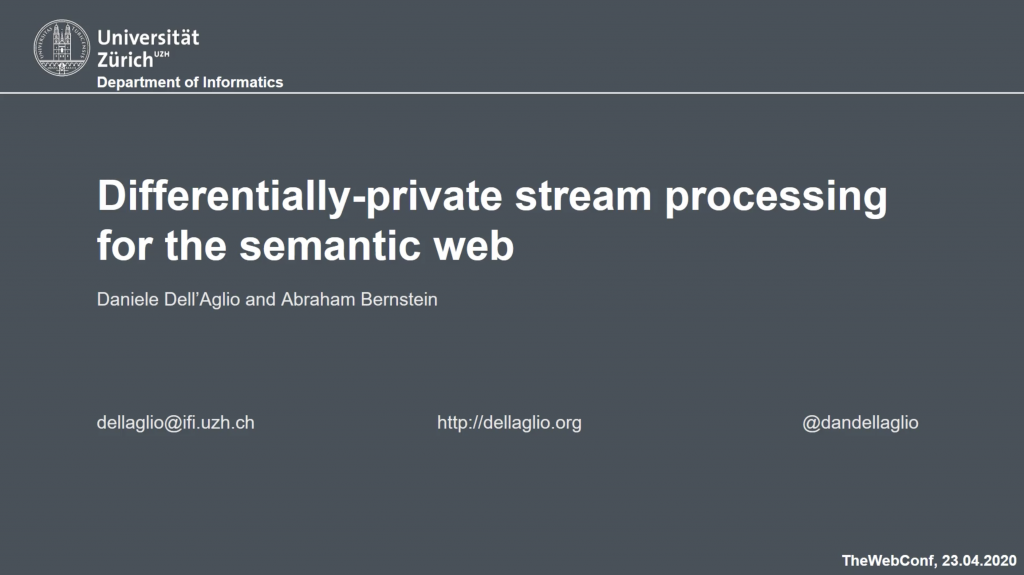
The Web Conference, the leading scientific forum on the web and related technologies, ran from April 20th to April 24th. Initially planned to be held in Taiwan, the conference moved to an online setting due to the COVID-19 pandemic. In this unusual setting, DDIS presented a study on differentially-private stream processing for the semantic web. Daniele Dell’Aglio and Abraham Bernstein tackled the problem of continuous publication of statistics extracted by data streams containing sensitive data by proposing a query language, SihlQL, and a novel algorithm, the bin removal mechanism. SihlQL is built on a fragment of SPARQL compatible with differential privacy, while the bin removal mechanism protects users behaving differently from the majority of the populations.
More information about this study is available in the article here and in the presentation that Daniele gave at the conference can be found by clicking the image below.
Finally, users interested in trying out SihlQL can find SihlMill, a SihlQL engine here.
9. April 2020 |
Abraham Bernstein |
Comments Off on DDIS @ Versus Virus
Last weekend, from April 3 to April 5, Versus Virus an online-hackathon took place to address challenges imposed on Switzerland and its inhabitants by the ongoing crisis caused by Covid-19. Over the course of 48 hours, more than 4600 people contributed to solutions in 263 teams. Among the participants were also two members of DDIS, Rosni Kottekulam Vasu and Florian Ruosch. Independently, they both worked on their respective team’s projects.
Crowds vs Covid
Rosni was part of a team that tackled the challenge that the global research community is overwhelmed with the resources of over 47,000 scholarly articles related to COVID-19, SARS-CoV-2, and related coronavirus. The overloading for scientific and lay people about COVID-19 makes it very difficult to select the right information at the right time. In this context, they developed a pipeline, which can take high volumes of information (either scientific publications or social media), filter it by first feeding it through machine learning algorithms, and then use crowdsourcing to further refine the selection and tagging. This information can then be used to inform policy makers or subject experts in a timely manner.
You can find more information about the project at the following locations:
Florian helped developing a platform to digitalize, simplify, and accelerate the application process for short-time work (Kurzarbeit). Employers can digitally file the application according to official governmental and cantonal guidelines. The digitalized solution may be used swiss-wide and considers cantonal differences. Furthermore, it allows to make real-time analyses based on filed applications per canton or aggregated for the whole country and visualize the results. This project even made it into the set of highlights in the category “Economic Impact”.
You can find more information about the project at the following locations:
19. November 2019 |
Suzanne Tolmeijer |
Comments Off on ISCW 2019
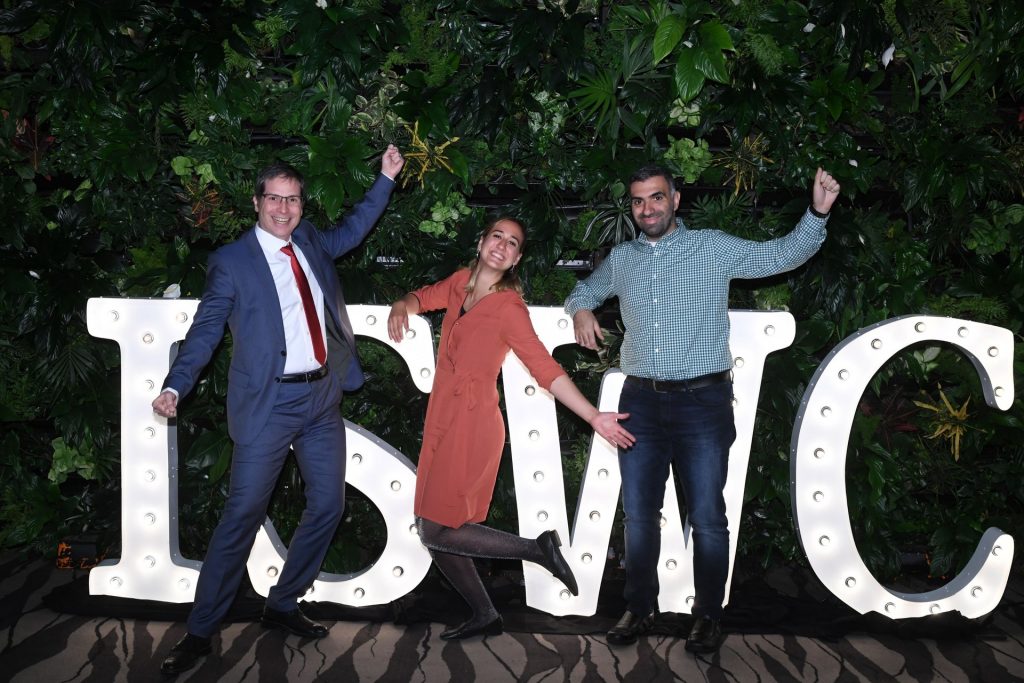
A few weeks ago, the 18th International Semantic
Web Conference took place in Auckland, New Zealand. A delegation of DDIS
visited the conference and made some valuable contributions to the conference. A
little overview of our work:
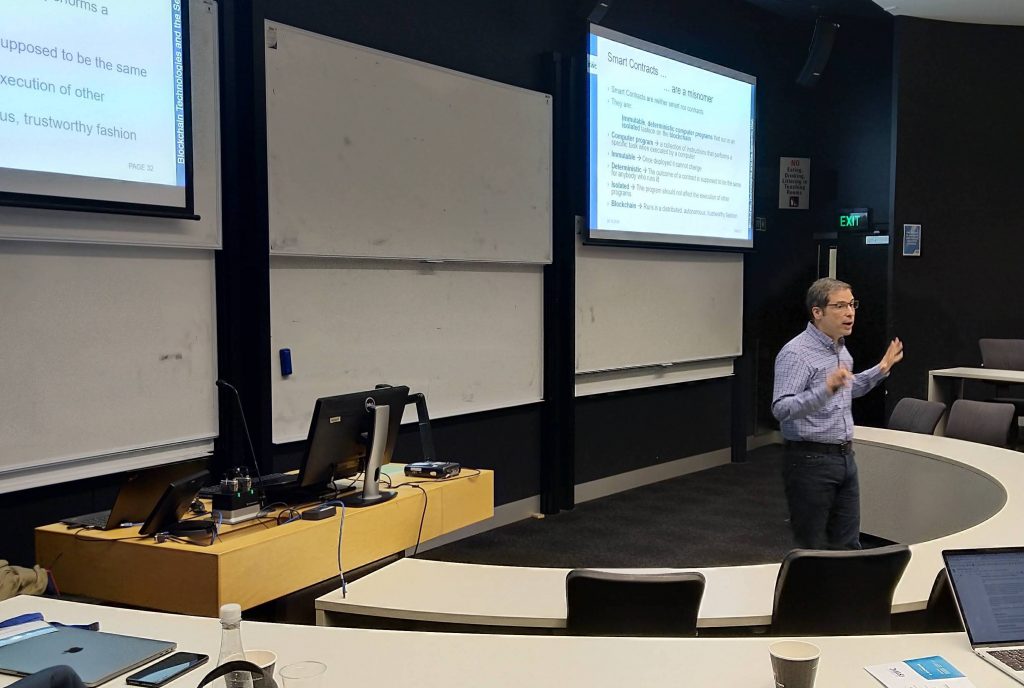
On Saturday the 26th of October, Prof. Abraham
Bernstein and Dr. Daniele Dell’Aglio ran a tutorial on Blockchain and Semantic
web in collaboration with the University of Southampton and the Open
University.
Prof. Bernstein presenting during the Blockchain and Semantic Web tutorial
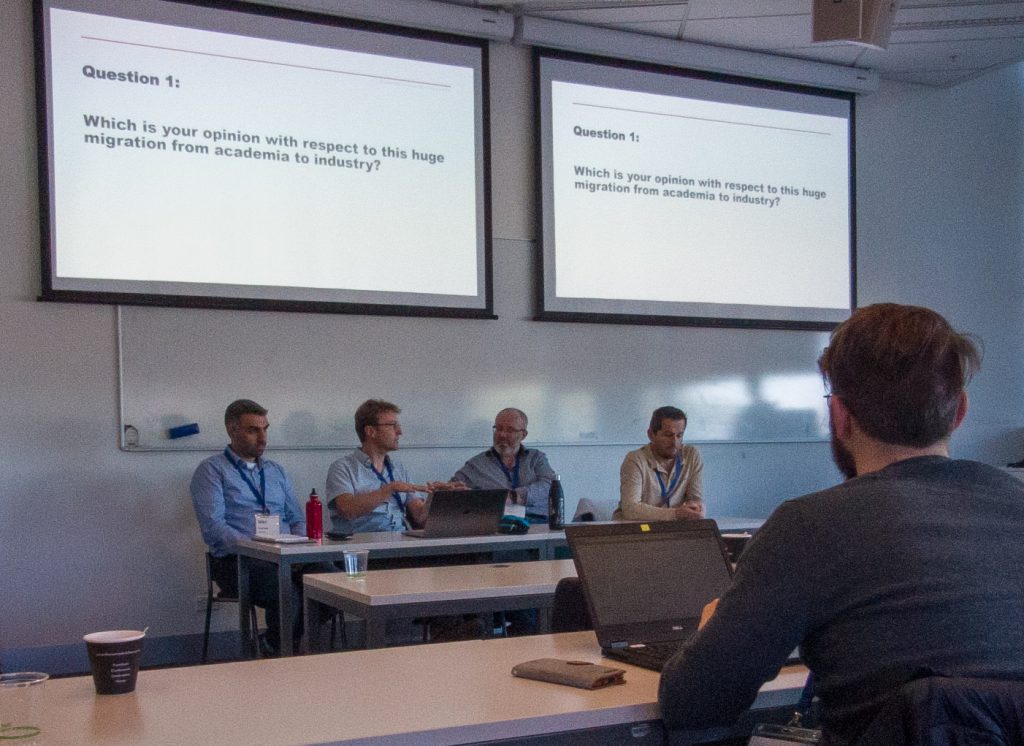
Romana Pernischová presented her work at the doctoral consortium on Sunday: ‘The Butterfly Effect in Knowledge Graphs: Predicting the Impact of Changes in the Evolving Web of Data’. At the same doctoral consortium, Daniele participated in a panel on ‘AI knocked to the Industry’s Door: Which is the Role of the PhD?’.
Daniele participating in a panel during the Doctoral Consortium
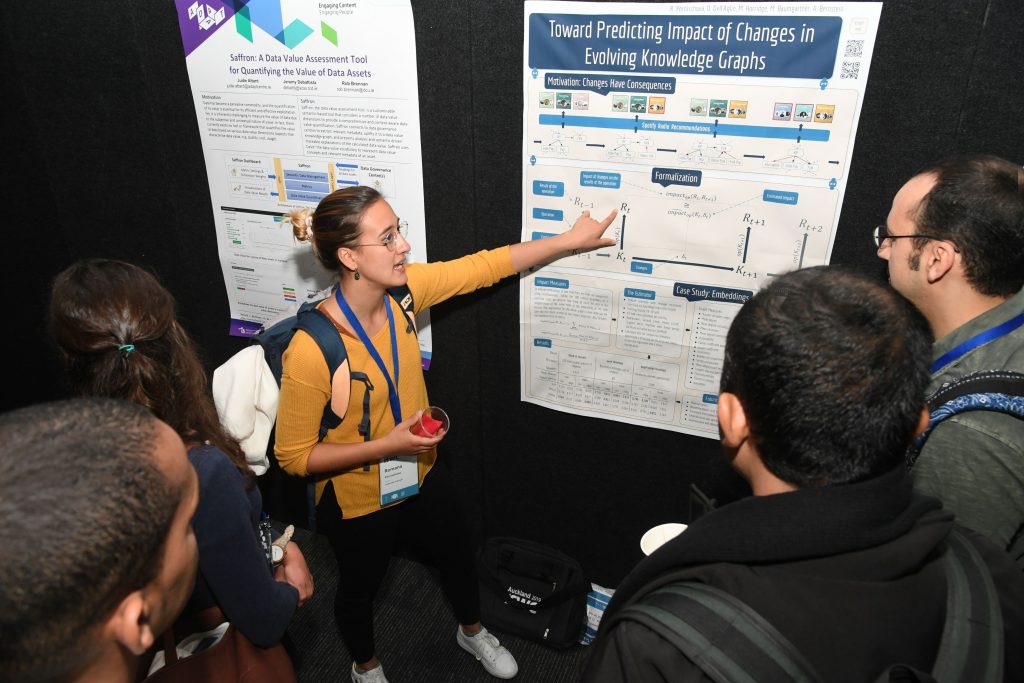
On Monday, Romana presented her poster ‘Toward Predicting
Impact of Changes in Evolving Knowledge Graphs’ at the minute madness, and went
on to present her poster at the welcome reception. This poster was declared the
winner of best poster award.
Romana explaining her award-winning poster
Prof. Bernstein had a busy day on Tuesday: he was both track and session chair of the ‘Outrageous idea’ track, as well as chair on the panel ‘How to make Semantic Web Research /Outrageous/?’
On the final day of the conference, Daniele chaired the Linked Data analytics and dynamics session. Finally, Daniele was also recognized as a distinguished reviewer in the research track. Overall, it was a very productive and successful event and we look forward to next year’s edition.
22. October 2019 |
Suzanne Tolmeijer |
Comments Off on Graduation Marc Novel
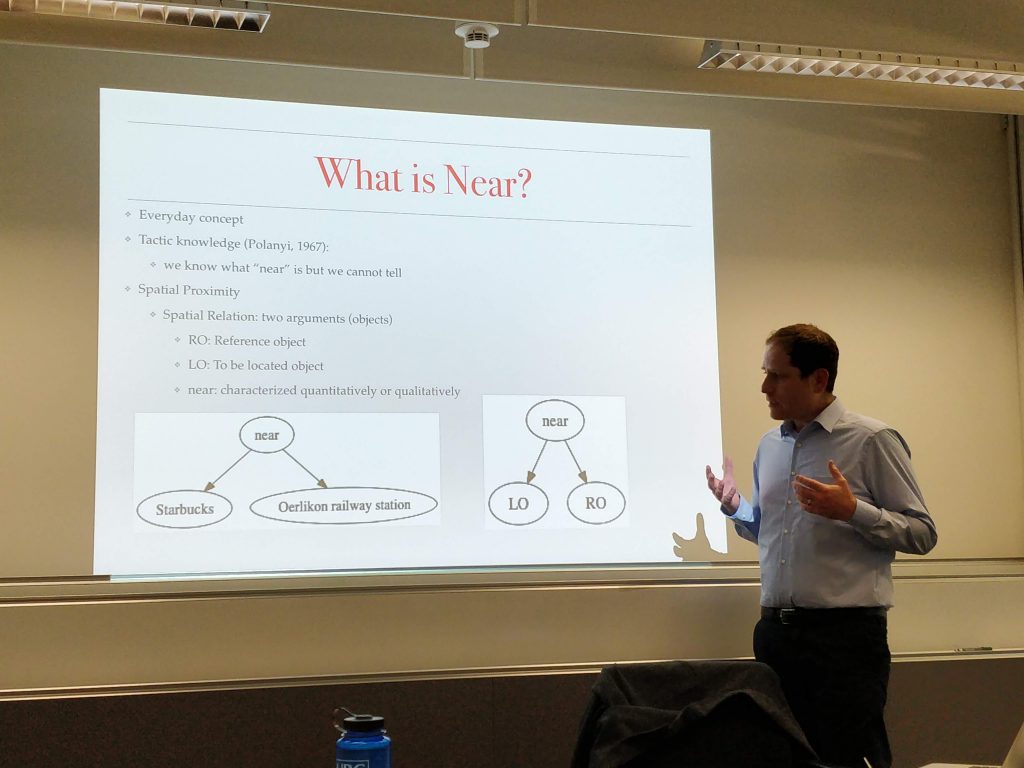
We are happy to announce that our colleague Marc Novel has successfully defended his thesis ‘Contextualized Search for Nearness’. We congratulate him on his success and wish him a great start at his new job at Systemorph as a business & data analyst!
Marc presenting his thesisHappy and proud Dr. Novel!
30. September 2019 |
Suzanne Tolmeijer |
Comments Off on CrowdAlytics: Large-Scale Human-Machine Systems for Data Science
In August a new project has started at DDIS. The aim of this research project is to investigate how people and AI can work together to solve data science tasks. In particular, we would like to develop new methods of human-machine cooperation, that allow both novice and expert users as well as machines to collaborate on complex data science tasks. We combine findings from statistics, data science, swarm intelligence research and computer-supported group work. The findings of this study help us to better understand how people and machines work together, a goal that is becoming increasingly important to our lives and work in the age of AI.
People participating in the project:
Prof. Abraham Bernstein
Cristina Sarasua
Dhivyabharathi Ramasamy
Florian Ruosch
Start/End-date: 01.08.2019 – 31.07.2023 For more information, see our project description.
20. August 2019 |
Suzanne Tolmeijer |
Comments Off on Graduation Daniel Spicar
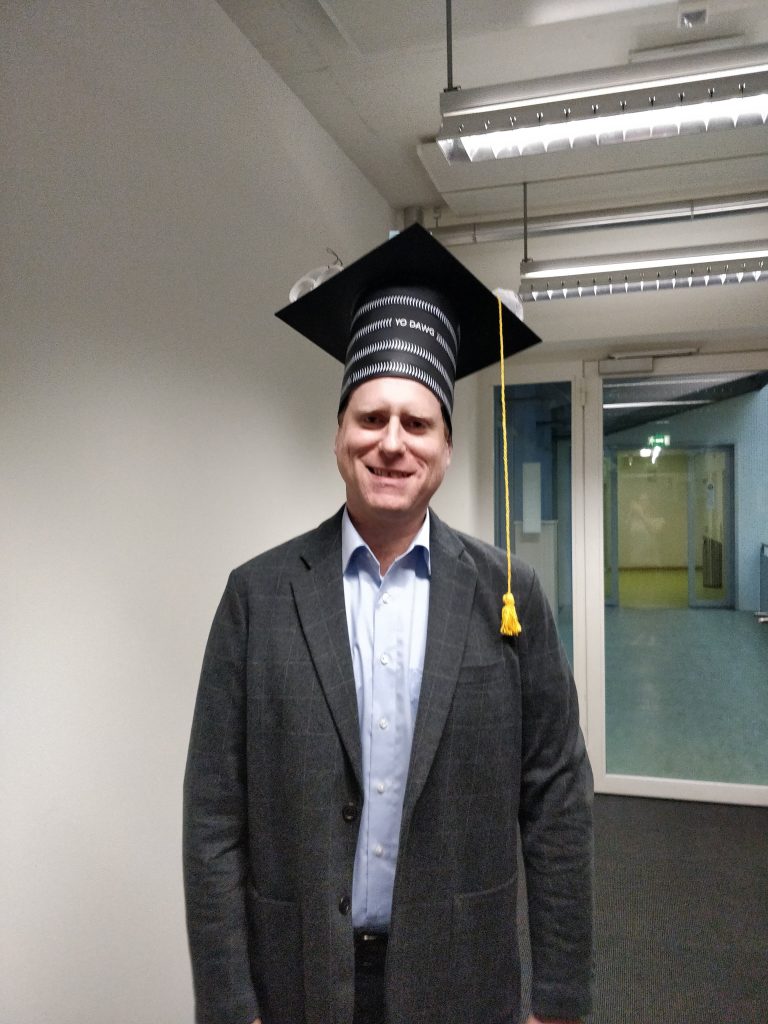
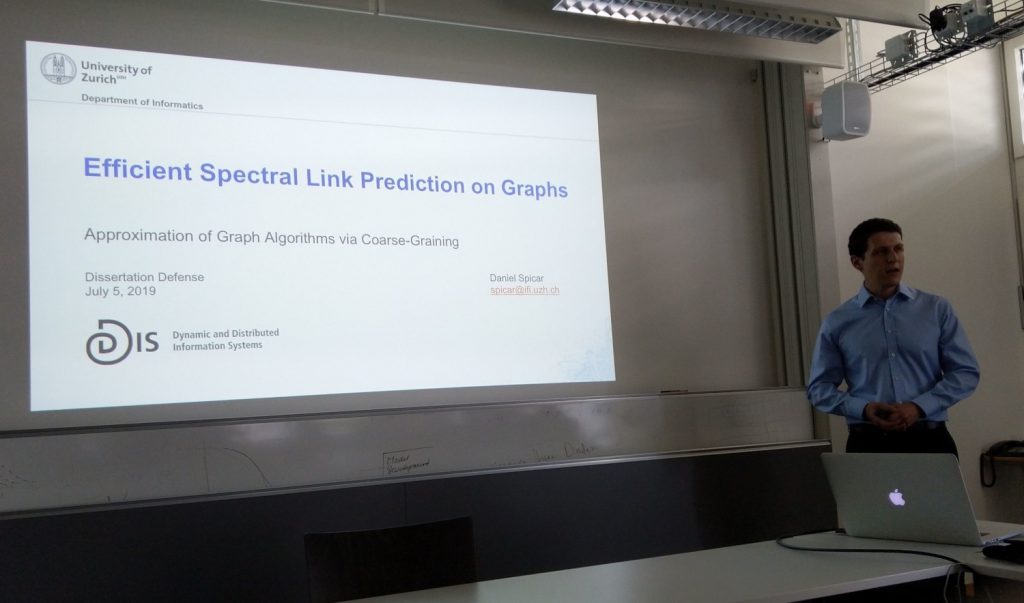
During the beginning of this summer, our colleague and friend Daniel Spicar has successfully defended his thesis titled ‘Efficient Spectral Link Prediction on Graphs‘. He will continue his career at Swiss IT company ELCA, we wish him all the best!
His talent for asking the right questions and bringing the right cookies will be thoroughly missed.
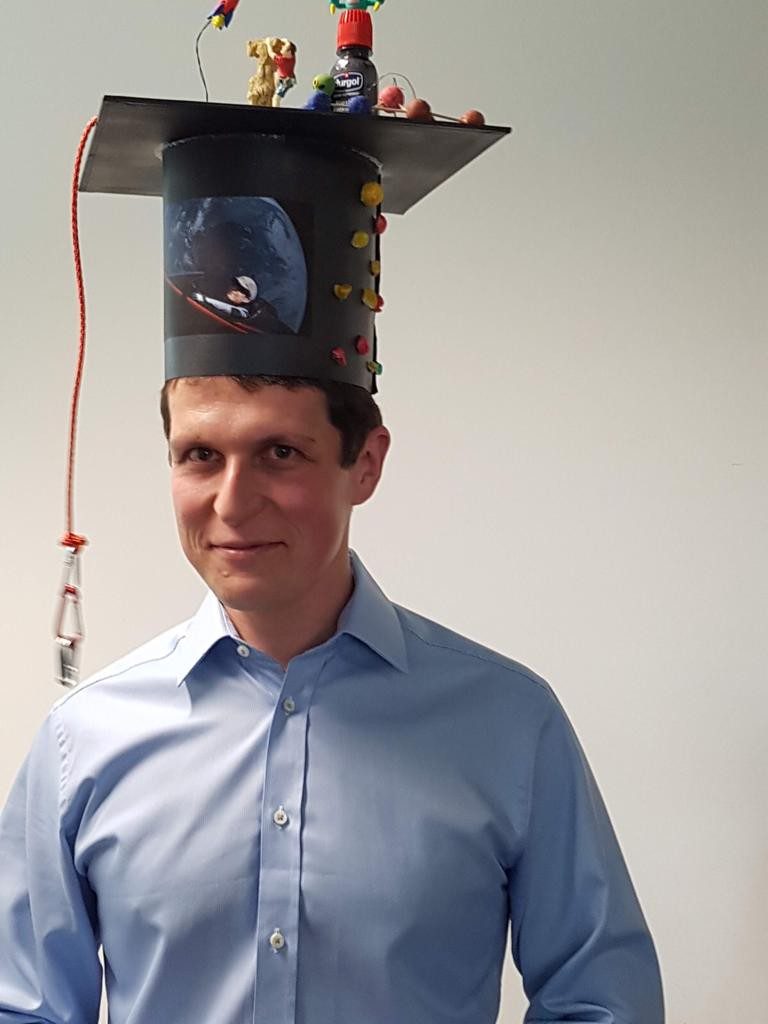
Daniel defending his thesisWell-deserved graduation hat!
4. June 2019 |
Suzanne Tolmeijer |
Comments Off on Publication Sterchi et al. in PLOS ONE
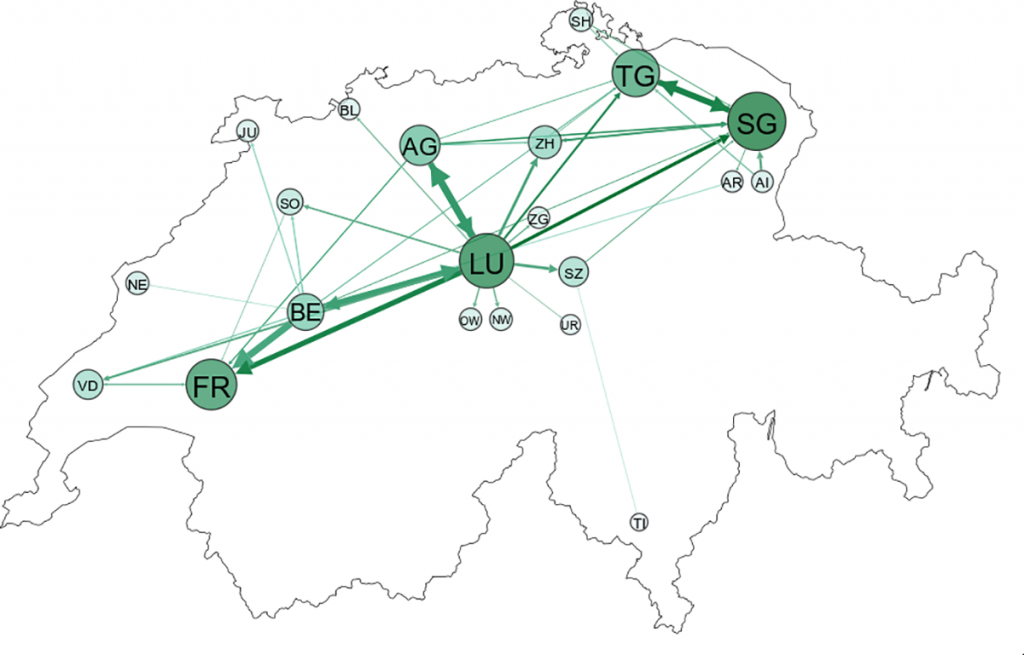
We congratulate one of our guest PhD students Martin Sterchi and his coauthors on their recent publication in PLOS ONE. The publication is part of an interdisciplinary project called PIG DATA, which focuses on health analytics for Swiss pig farming. PIG DATA is funded by National Research Programme (NRP75) on Big Data.
Title: The pig transport network in Switzerland: Structure, patterns, and implications for the transmission of infectious diseases between animal holdings
Abstract: The topology of animal transport networks contributes substantially to how fast and to what extent a disease can transmit between animal holdings. Therefore, public authorities in many countries mandate livestock holdings to report all movements of animals. However, the reported data often does not contain information about the exact sequence of transports, making it impossible to assess the effect of truck sharing and truck contamination on disease transmission. The aim of this study was to analyze the topology of the Swiss pig transport network by means of social network analysis and to assess the implications for disease transmission between animal holdings. In particular, we studied how additional information about transport sequences changes the topology of the contact network. The study is based on the official animal movement database in Switzerland and a sample of transport data from one transport company. The results show that the Swiss pig transport network is highly fragmented, which mitigates the risk of a large-scale disease outbreak. By considering the time sequence of transports, we found that even in the worst case, only 0.34% of all farm-pairs were connected within one month. However, both network connectivity and individual connectedness of farms increased if truck sharing and especially truck contamination were considered. Therefore, the extent to which a disease may be transmitted between animal holdings may be underestimated if we only consider data from the official animal movement database. Our results highlight the need for a comprehensive analysis of contacts between farms that includes indirect contacts due to truck sharing and contamination. As the nature of animal transport networks is inherently temporal, we strongly suggest the use of temporal network measures in order to evaluate individual and overall risk of disease transmission through animal transportation.
4. June 2019 |
Suzanne Tolmeijer |
Comments Off on Presentation at The Web Conference 2019
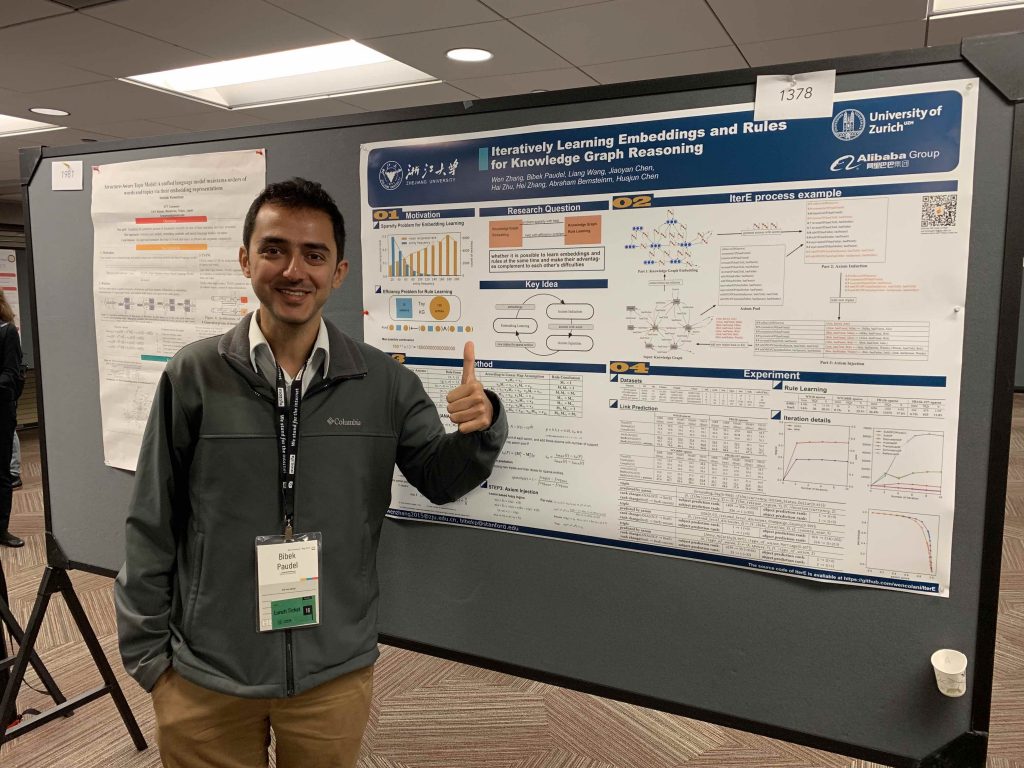
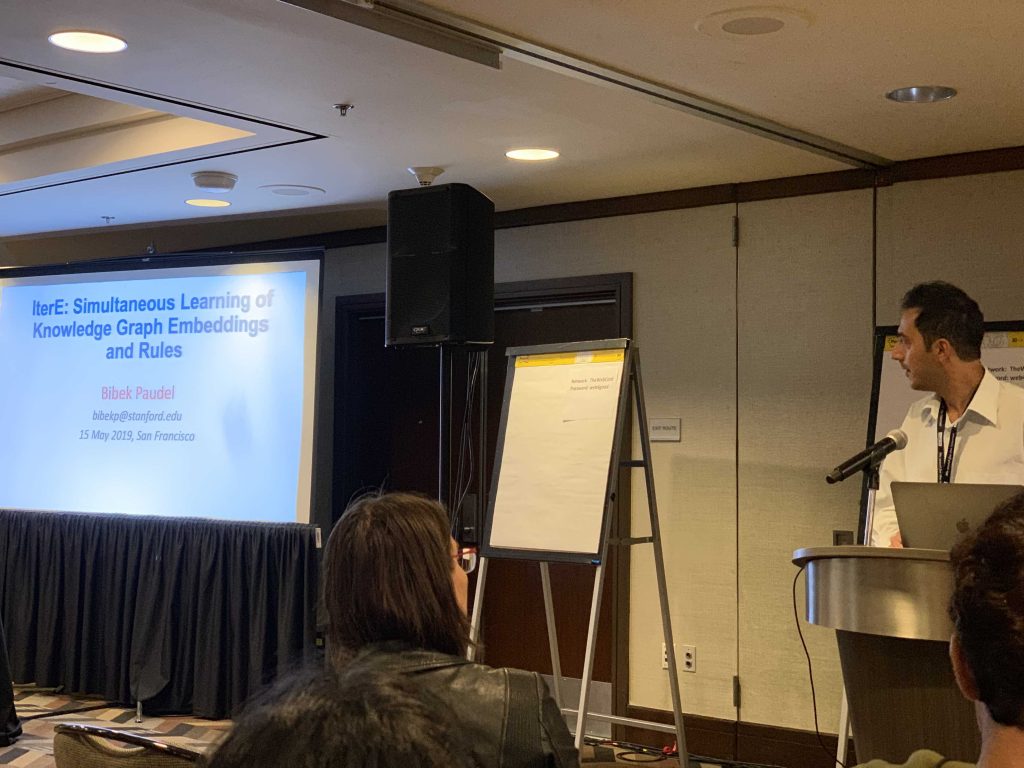
During May of this year, The Web Conference 2019 took place in San Francisco. Bibek Paudel, recent graduate of DDIS, was there to present a paper and poster titled ‘Iterative Learning Embeddings and Rules for Knowledge Graphs’. This paper was created in collaboration with —among others— visiting scholar Wen Zhang. We congratulate them on their successful work!